Author: nadyaraplya

  • Where is the line between art and porn?

    Where is the line between art and porn?

    Where is the line between art and pornography? History shows that this boundary has always been blurred.

    ❌ In medieval Europe, nudity was seen as a symbol of sin, and depictions of the human body were strictly regulated. Yet even then, erotic scenes found their way into manuscript illustrations and church sculptures, hidden within decorative motifs.

    ✔️ The Renaissance brought nudity back into art, inspired by antiquity. Great masters like Michelangelo, Titian, and Botticelli celebrated the human form, infusing it with beauty and symbolism. The body was no longer just flesh. It was philosophy and power.


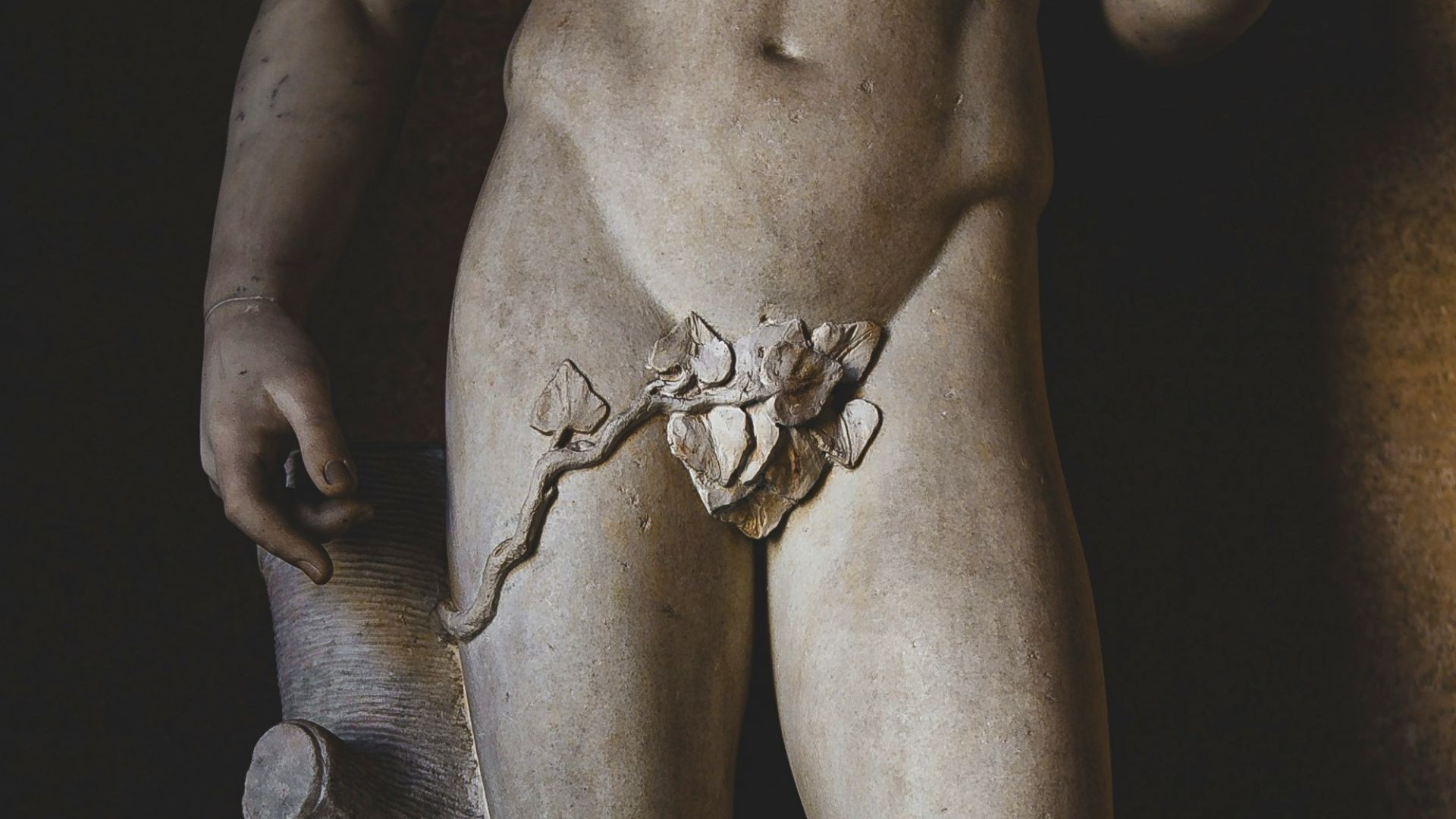
    ❌ In the 19th century, Victorian morality imposed strict taboos on sexual imagery. Even classical artworks were censored – paintings were altered to add clothing, and sculptures were covered with plaster fig leaves.

    ✔️ The 20th century brought a revolution. Photography, cinema, and contemporary art pushed the boundaries of what was acceptable. Eroticism in art became a tool for protest, liberation, and rethinking societal norms.


    Today, after decades of progress toward artistic freedom, society is once again becoming radicalized. Political, religious, and cultural institutions are reinforcing censorship, once again forcing art into rigid frames because they fail to distinguish between art and pornography.
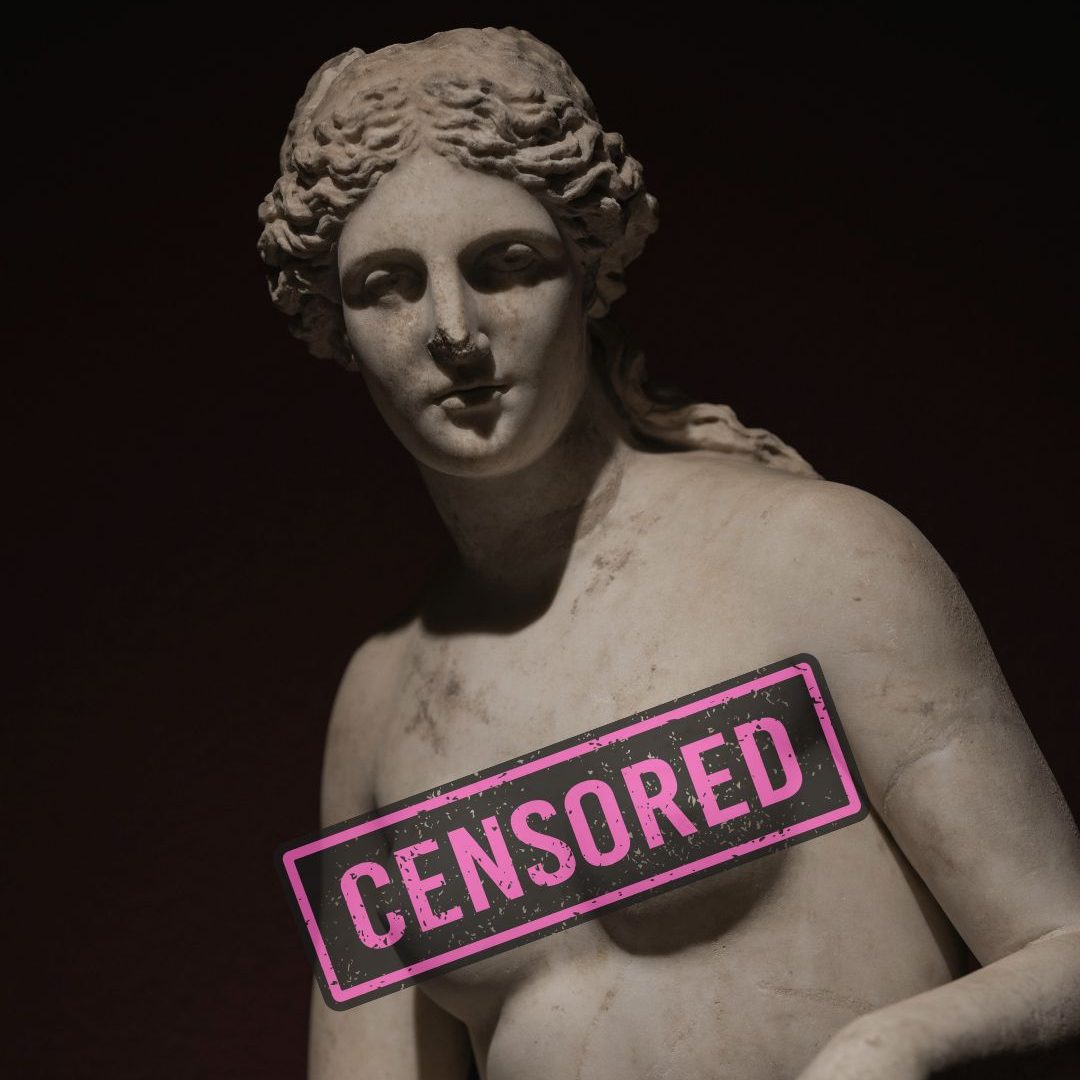
    A close-up of a classical marble statue of a female figure with a censored label across its chest.

    But was this boundary ever truly clear? Or has it always depended on society’s perspective?
  • How Tijuana Bibles Shaped Modern Erotic Art

    How Tijuana Bibles Shaped Modern Erotic Art

    Today, erotic comics are a thriving artistic genre — expressive, experimental, and bold in their exploration of desire. But few people know they spring from an unexpected and rebellious corner of publishing history. We will bring you the fascinating origins of erotic graphic novels and comics, and how underground publications and unexpected artistic bellwethers were at the vanguard of molding what we now know as modern erotic art in comics.

    Underground Beginnings
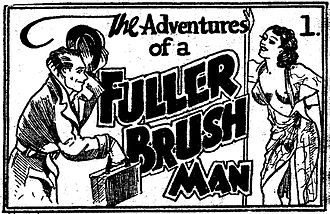
    Cover of an erotic comic titled 'The Adventures of a Fuller Brush Man', featuring a man with a briefcase and a woman in a revealing outfit.

    From the 1920s to the 1950s, tiny booklets known as Tijuana Bibles were secretly distributed across the U.S. These illegal erotic comics can be seen as the predecessors of modern hentai manga and graphic erotic novels. Each eight-page mini-comic parodied famous newspaper strip characters, Hollywood stars, and athletes, placing them in explicit situations.

    Printed anonymously on cheap paper, Tijuana Bibles were sold under the counter, through speakeasies, tobacco shops, and even by hand. Artists remained anonymous, as the comics were illegal and were never officially signed. Despite their underground nature, they became an important part of pop culture, revealing society’s hidden fascination with themes of sex and desire.

    Why They Matter
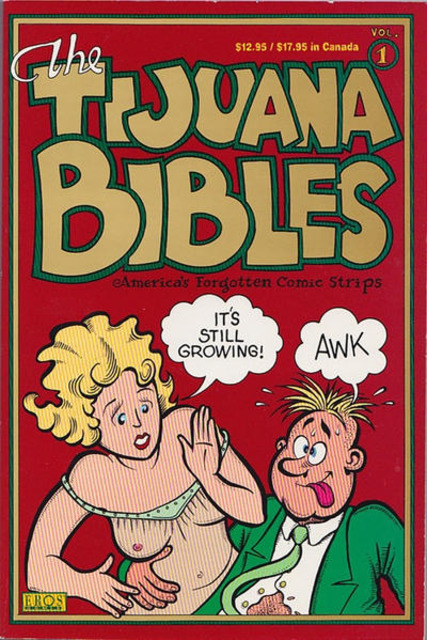
    Cover of 'The Tijuana Bibles: America's Forgotten Comic Strips' featuring cartoon characters in a humorous and suggestive pose.

    Although dismissed at the time as vulgar or lowbrow, Tijuana Bibles tapped into something much deeper: a collective curiosity about sex, fame, and the boundaries of propriety. They reflected — and ridiculed — society’s double standards. They also subverted mainstream media by taking sanitized public figures and reimagining them with unfiltered honesty and desire.

    These comics were, in many ways, a response to censorship and moral panic. Their very existence challenged the idea that erotic expression should be hidden or punished. In doing so, they laid the groundwork for more open representations of sexuality in visual storytelling.

    What They Left Behind

    Today, these comics have become collectors’ items, and their influence can be traced in modern erotic art and comic culture. Tijuana Bibles were not just a quirky relic of the past, it is a phenomenon that had a lot of play in shaping erotic art and breaking taboos about sexuality.

  • Political ambitions and erotic art

    Political ambitions and erotic art

    In medieval Europe, religion wasn’t just a matter of faith — it was a powerful tool of governance and control. Churches were not only spiritual centers, but also symbols of political power, financed and shaped by the ambitions of local nobility and elites.

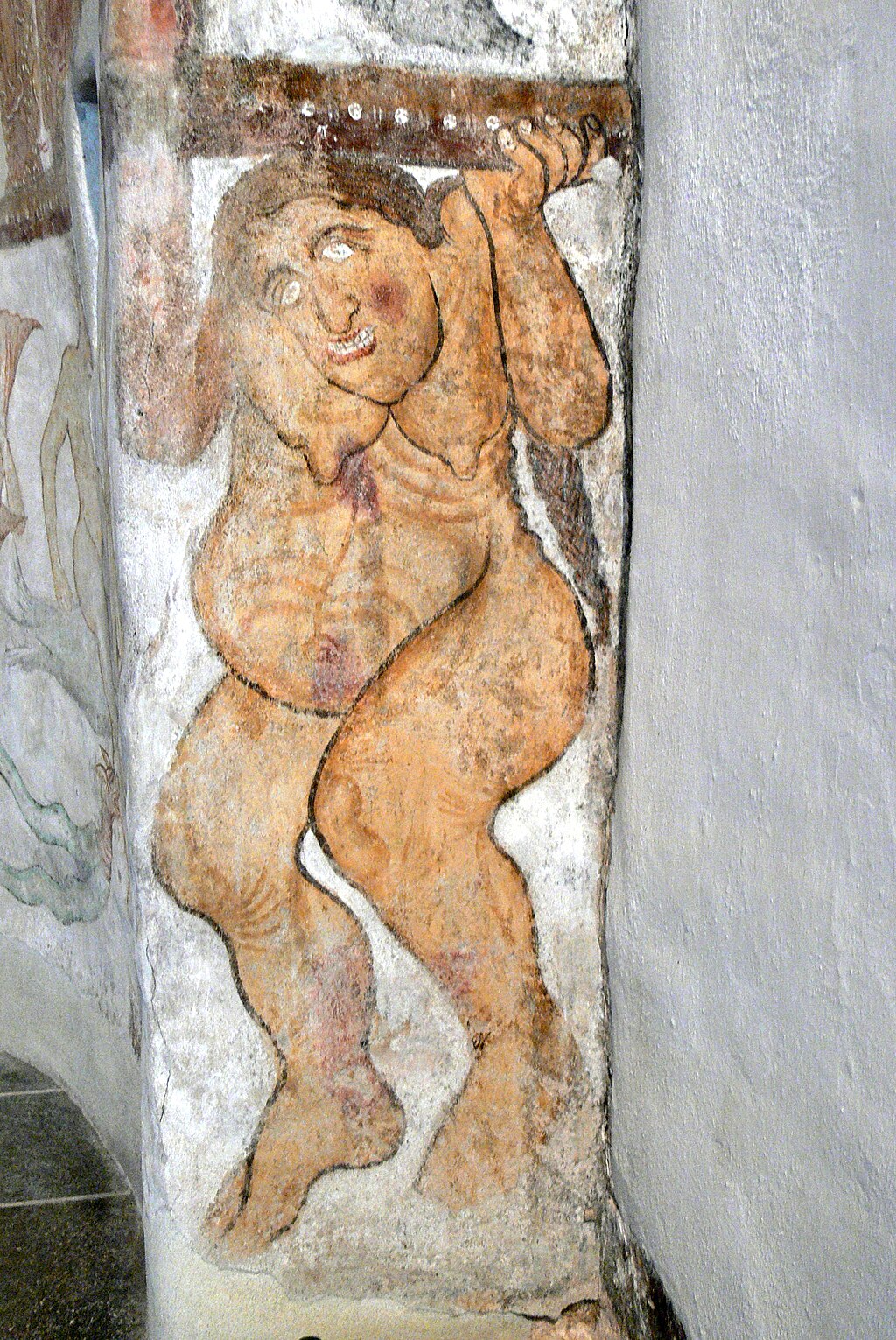
    Fresco depicting a naked figure holding a beam, showcasing exaggerated facial features and body proportions.

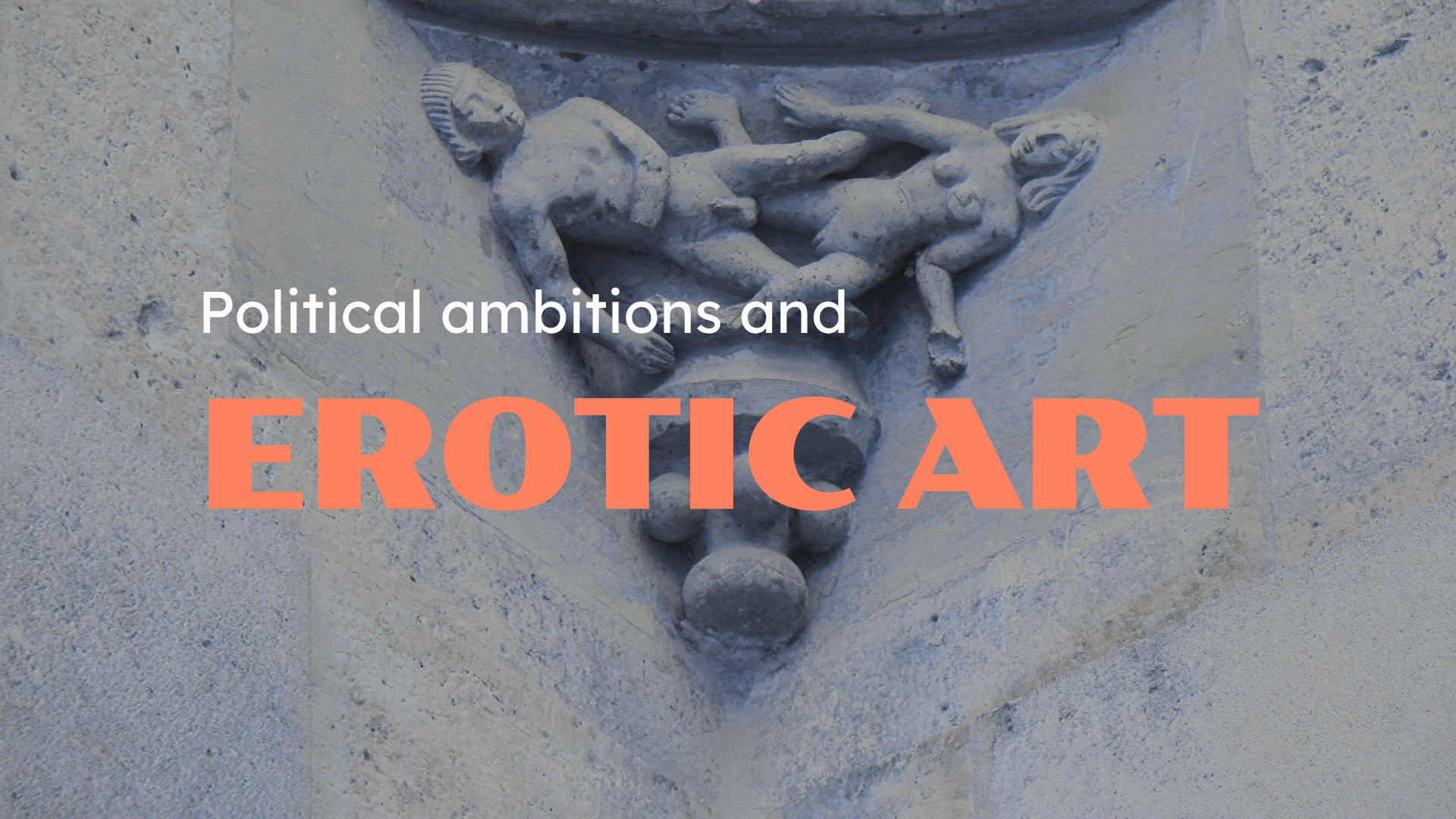
    In the 11th and 12th centuries, particularly in Spain, sculptural representations of penises, vulvas, and scenes of intercourse could be found decorating church facades and column capitals. Such explicit scenes can still ignite debate today.

    But how did such images end up in sacred spaces? Two popular theories are suggested by scholars most often:

    • A warning against sins: These images were not intended to provoke desire but to shame it. Vivid visual reminders of human weakness and the danger of indulgence.
    • An emblem of fertility and life energy, deeply rooted in culture, is a reflection of folk beliefs.

    However, the most interesting theory from our point of view was noted by Dr. Isabel Mellén in her book El sexo en tiempos del románico (Sex in the Romanesque Era). She thinks that these scenes may also have been part of political propaganda.

    Eroticism as a tool of power:

    According to Mellén, these representations may have served to underline the sinfulness and moral rot of enemies for the same nobility who funded the construction of the churches. Sculptures and images turned into allegories that served to reinforce the power of the church and the elite.

    This shows how art is not only an aesthetic but also a mighty tool of influence, bridging the sacred and the political.